Peru: Ten reasons to go

A short guide by DaDa Travel

Peru changes quickly

Peru

Lima sits at sea level. Cusco at 3,400 meters.

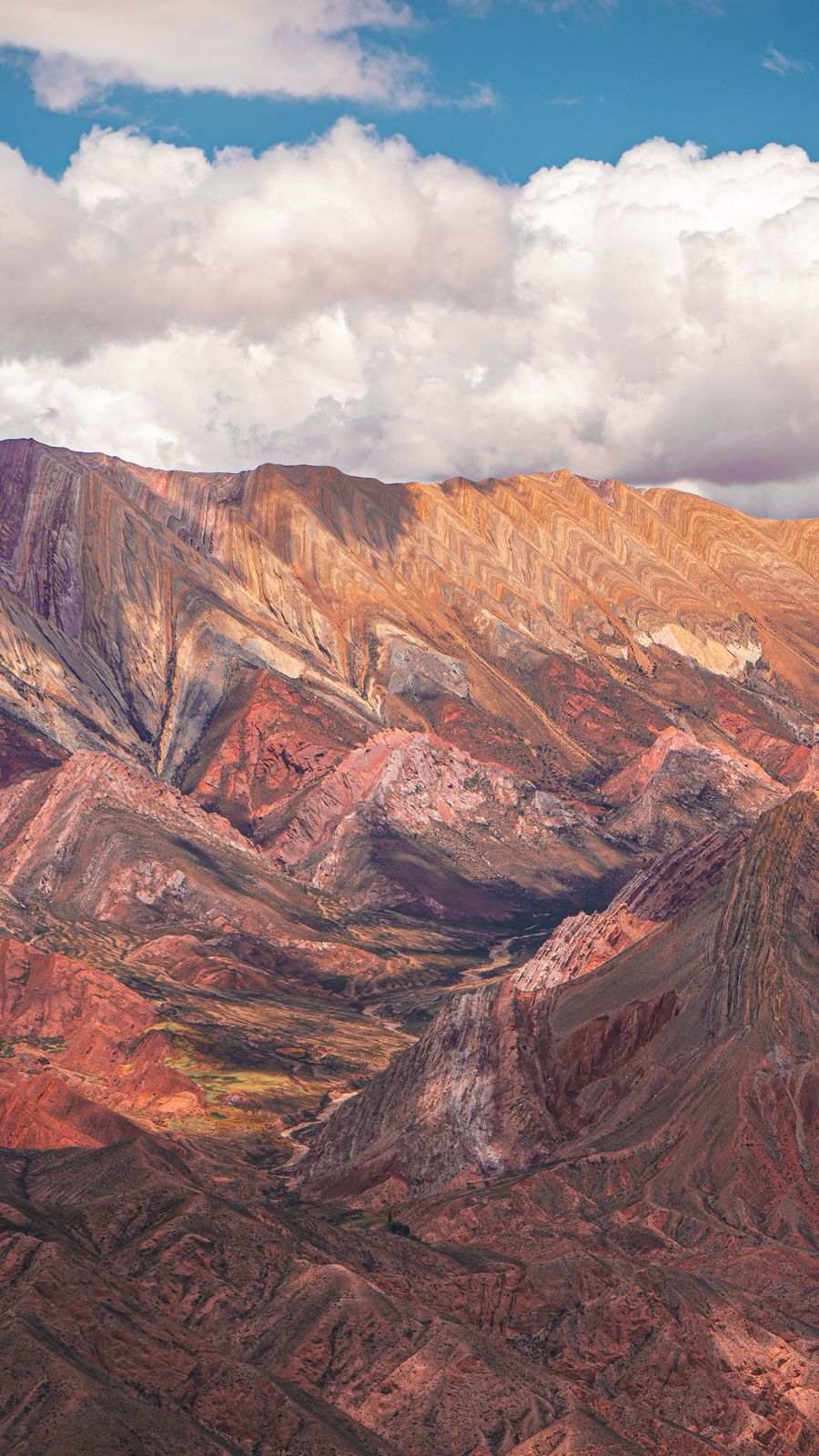
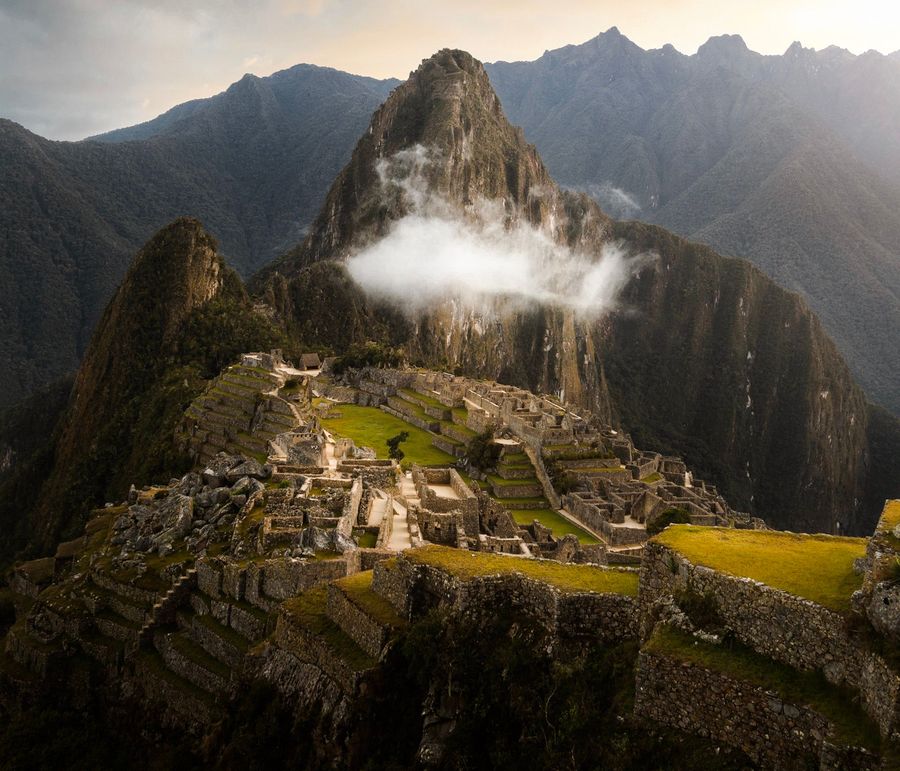
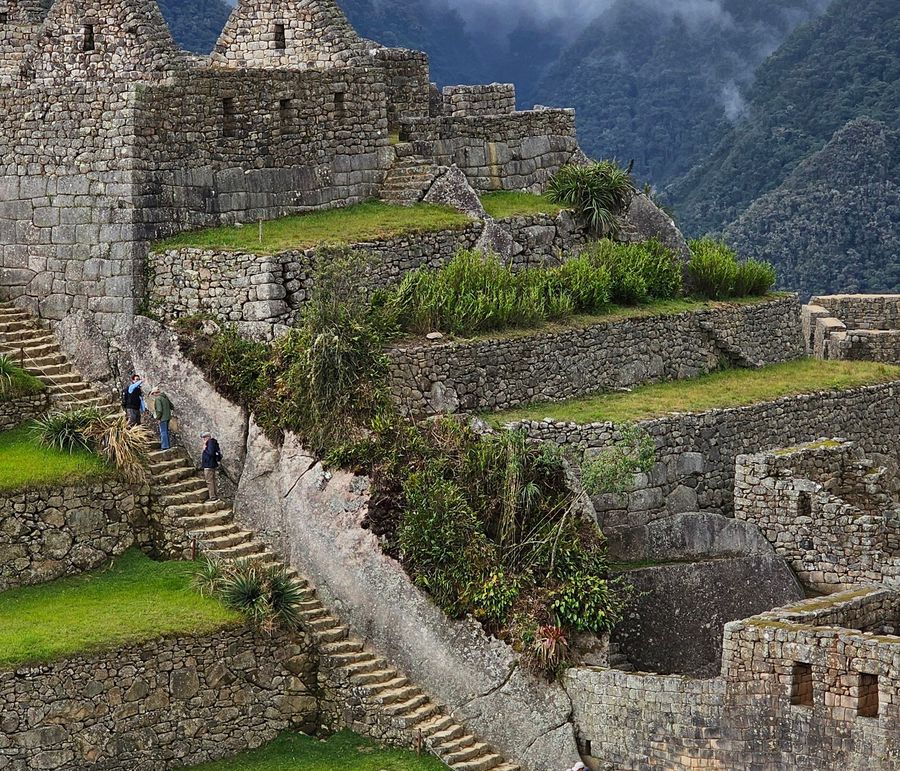
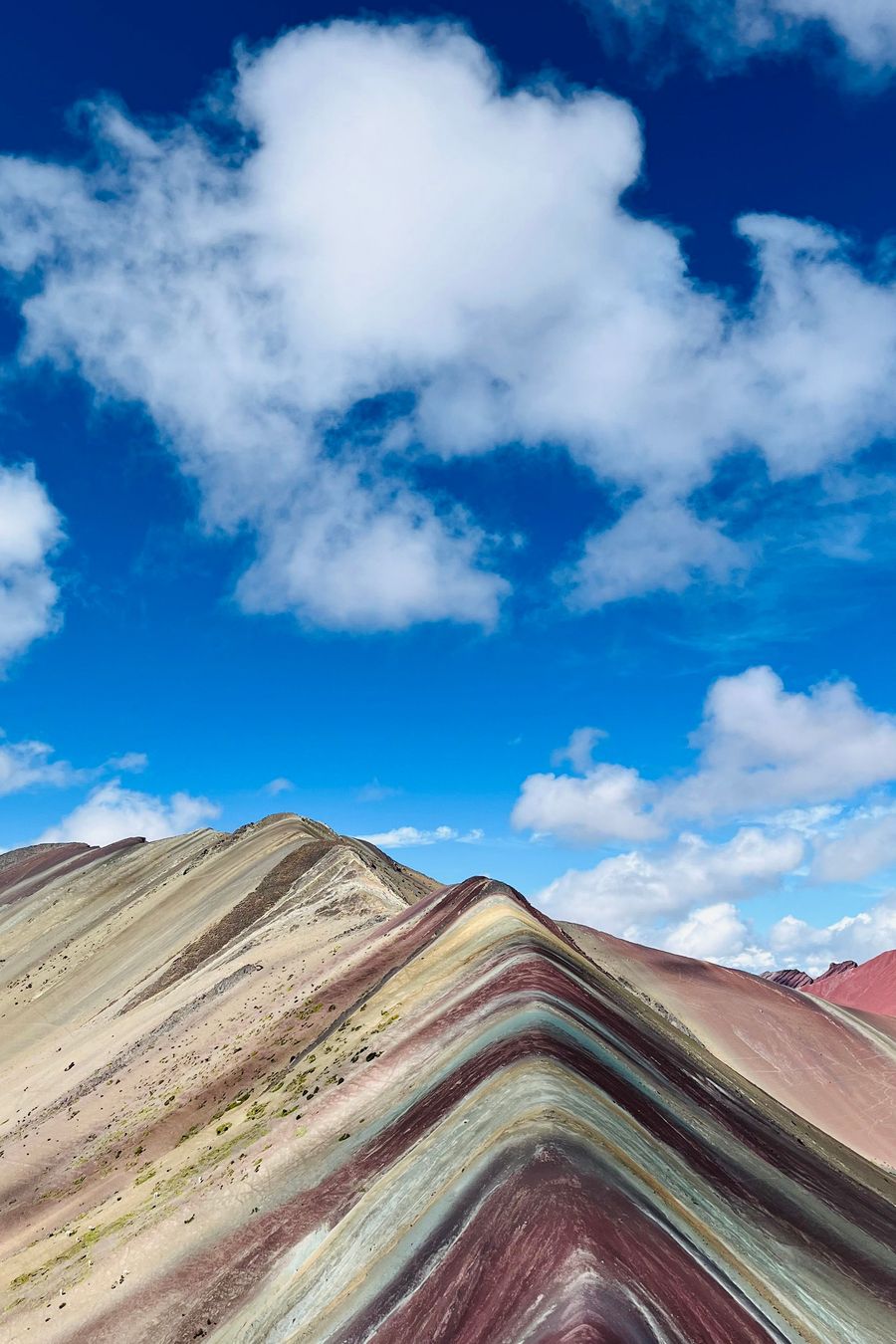
Between them, Peru moves through Pacific coastline, desert, high mountains, fertile valleys and traces of civilizations that developed long before the Inca Empire. A first journey can connect pre-Columbian art at Museo Larco, Nikkei cooking in Lima, workshops in the Sacred Valley and Machu Picchu by rail. The route needs to respect altitude, timed entry, weather and the restaurant tables worth booking early.

When to go

The Andes in the dry season

For Lima, the Sacred Valley, Cusco and Machu Picchu, we usually recommend April to May or September to October: the Andes are dry, and there are fewer visitors than in June, July and August. From November to March, the mountains see more rain. The classic Inca Trail closes every February for maintenance.

Lima is warmest from December to April and often covered in coastal mist, the garúa, from June to September.

Peru

10 places to visit

Museo Larco

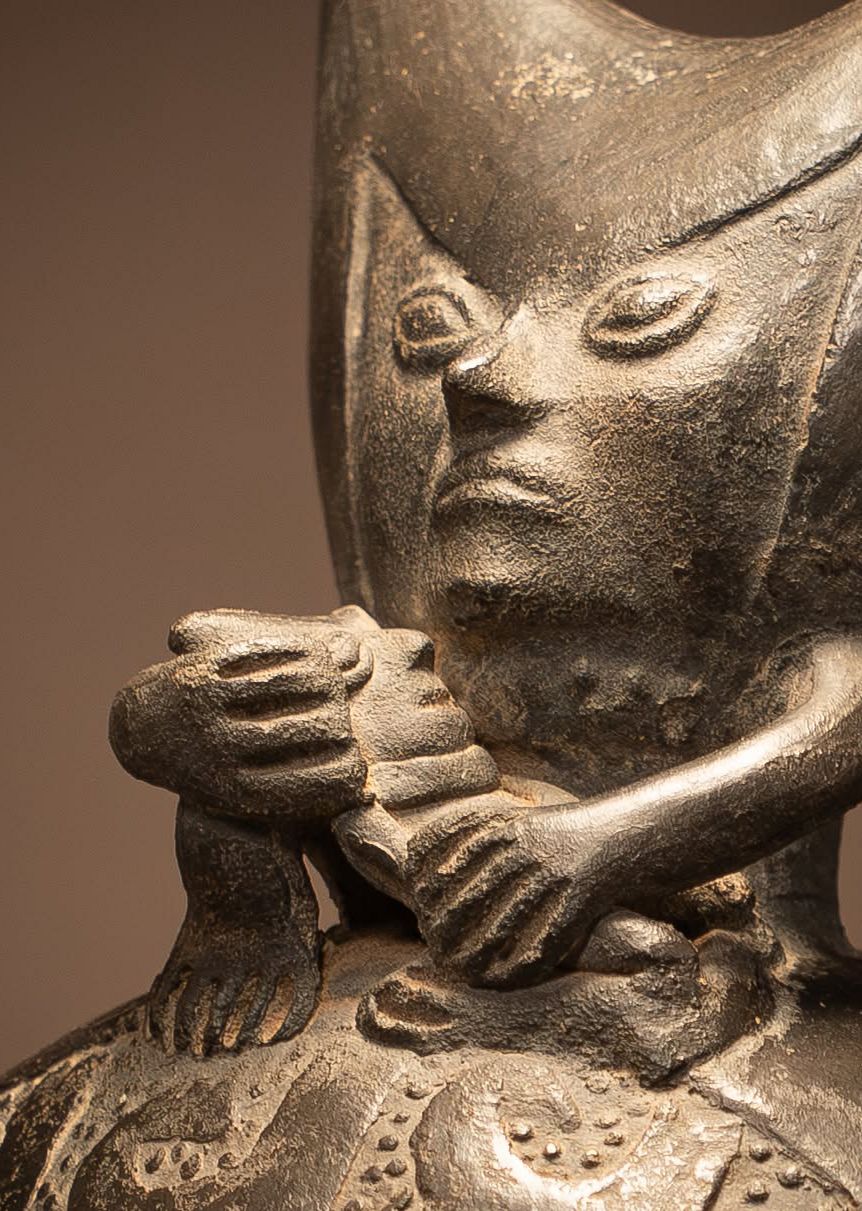
Start here, before the Andes. Larco gives you the visual vocabulary of Peru: more than 5,000 years of ceramics, textiles, gold and jewelry in an 18th-century mansion with gardens. Everything you see later, from the terraces at Moray to the clay in Urubamba, will already have some context.

Do not skip the visible storage rooms, included in the ticket, or the Checan gallery of pre-Columbian erotic art.
Museo Larco

Museo Jade Rivera

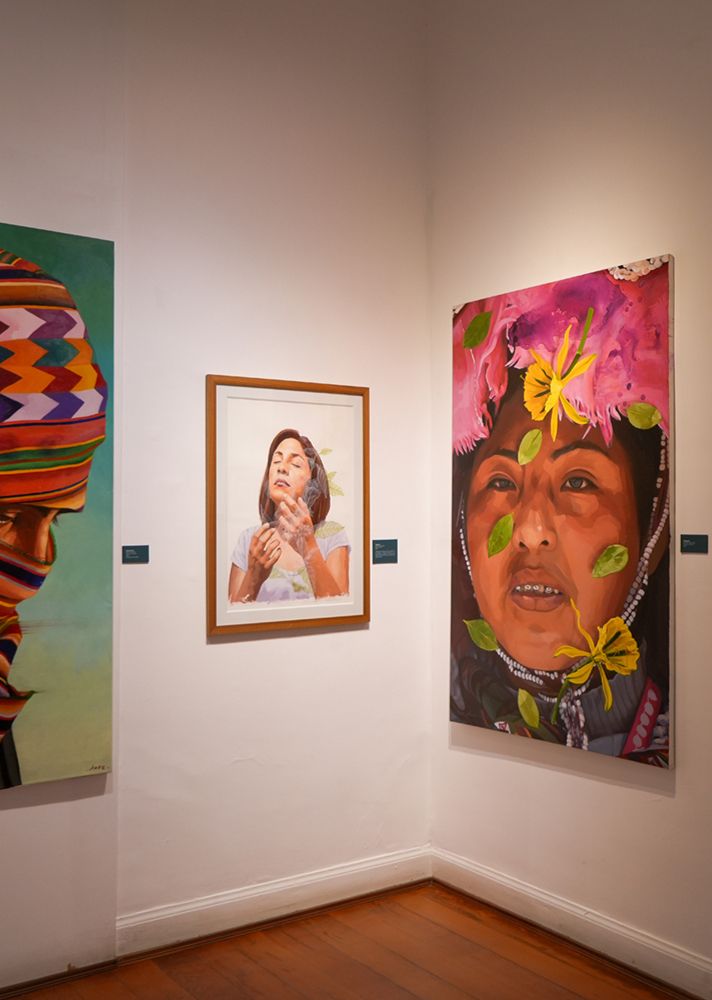
Jade Rivera is a Peruvian painter and muralist whose work appears across Lima. His museum in Casona Goicoechea, Barranco, follows him from public murals to paintings and sculpture.

We like it early in a trip: after the visit you start noticing his characters on the city’s walls, and Lima becomes less anonymous.

Museo Jade Rivera

Maido (No.1 of World's Best Restaurants 2025)

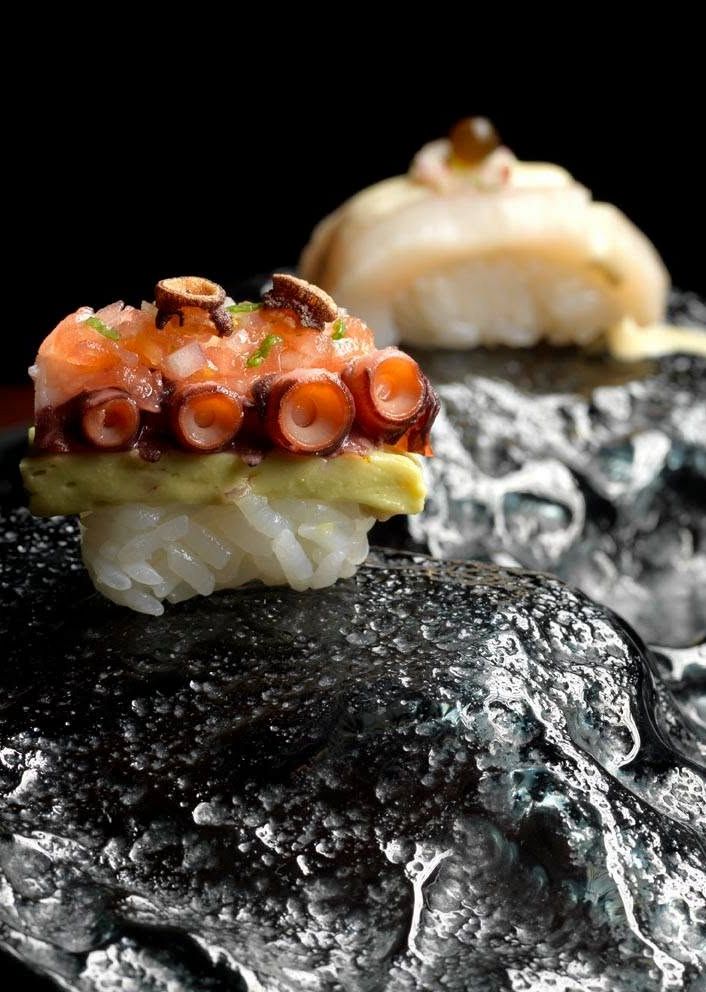
Chef Mitsuharu «Micha» Tsumura brings Japanese techniques together with Peruvian ingredients. The result is Nikkei cooking shaped by the city, Japan and, increasingly, by the Peruvian Amazon. “Maido!” means “welcome” in Japanese, and the warmth of the welcome is part of why people remember the evening here as much as the menu.

If Lima gets only one dinner we plan around, it is usually this one.

Maido (No.1 of World's Best Restaurants 2025)

Salineras de Maras

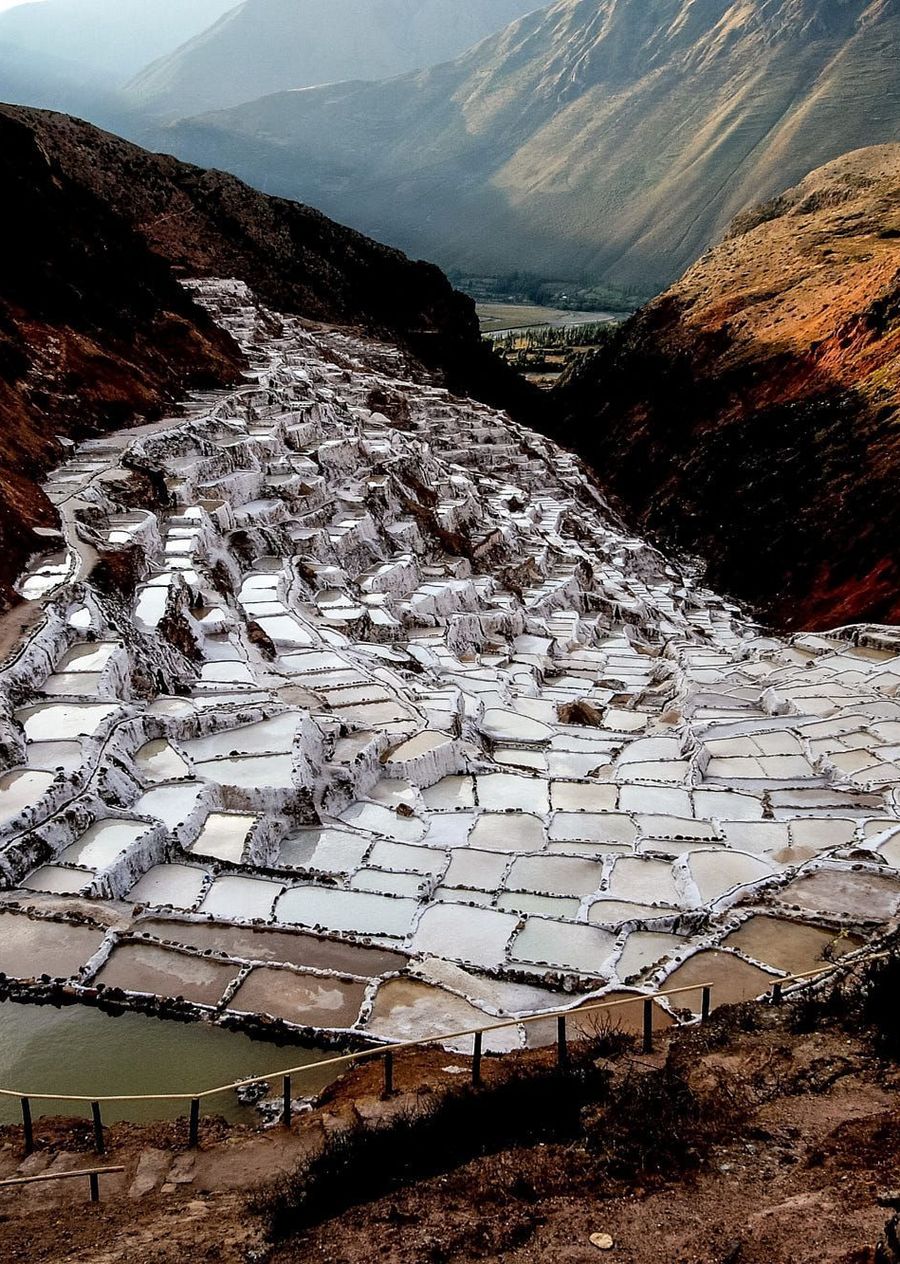
Thousands of salt pools descend along the mountainside near Maras, fed by a salt-rich spring through narrow channels. Families from the surrounding communities have worked them for generations.

It is a very photogenic place, but we include it because it is an incomparably lively landscape. The colors change along with the weather, so no two visits look the same.

Salineras de Maras

Moray

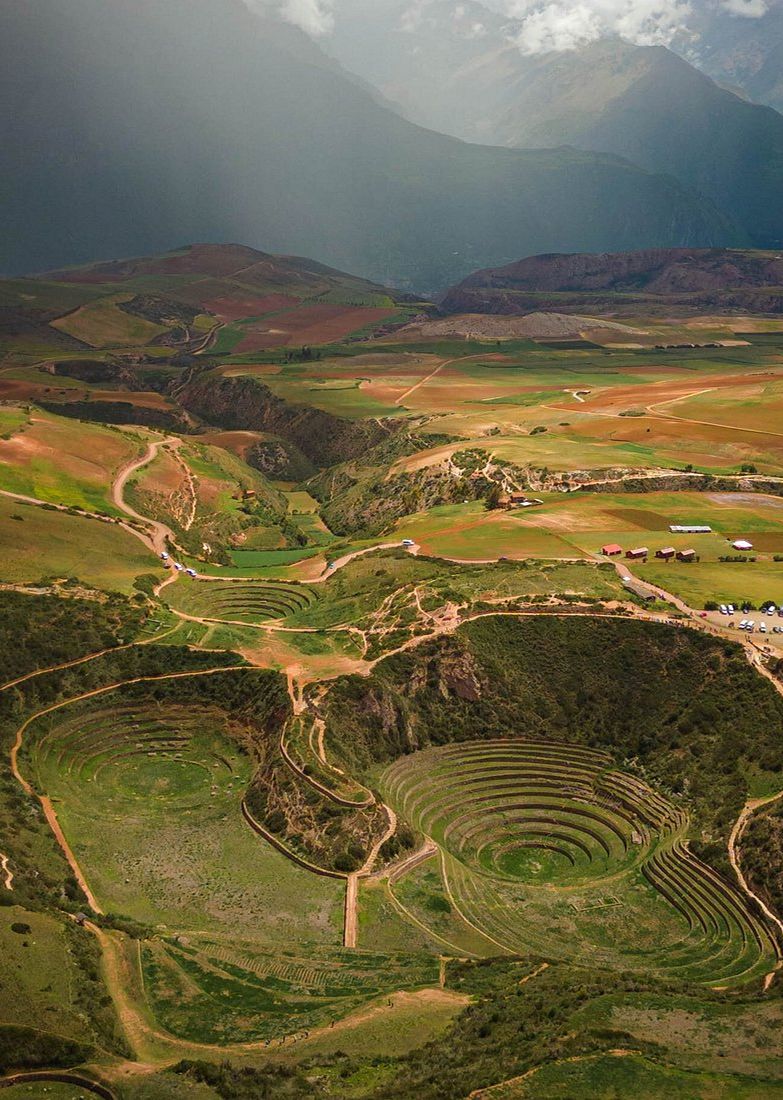
Vast circular terraces cut into the Sacred Valley. Their exact purpose is still debated, but the leading theory is that Moray served as an agricultural laboratory, where the Incas studied how crops responded to different temperatures and microclimates.

On its own, Moray is a beautiful landscape. With someone who can explain the agricultural experiments, ingenious engineering and unanswered questions behind it, it becomes a glimpse into the remarkable thinking of the Inca civilization.

Moray
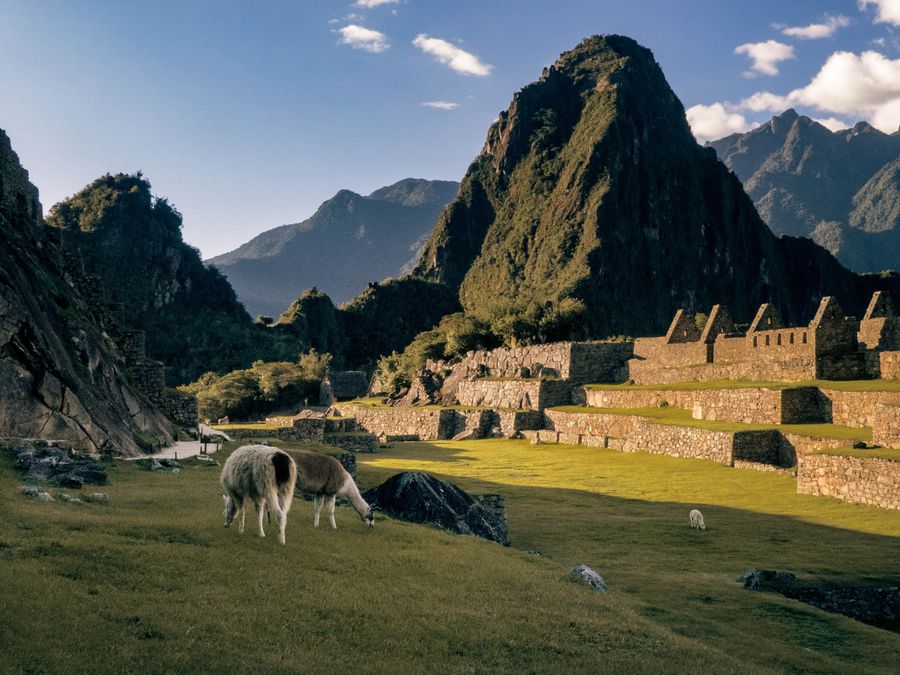
Llama grazing on Inca terraces in the Andes

MIL Immersion (No. 95 of The 50 Best Restaurants’ Extended)

MIL sits beside Moray at 3,568 meters above sea level. Virgilio Martínez and the Mater Iniciativa team study Andean ecosystems, ingredients and agricultural knowledge together with nearby communities.

We pair it with Moray on purpose. The terraces show how the Incas thought about agriculture, and the longer immersion, which begins before lunch, shows how that knowledge is studied today. Each course connects back to a plant, a practice or a piece of research.

MIL Immersion (No. 95 of The 50 Best Restaurants’ Extended)

Cerámicas Seminario

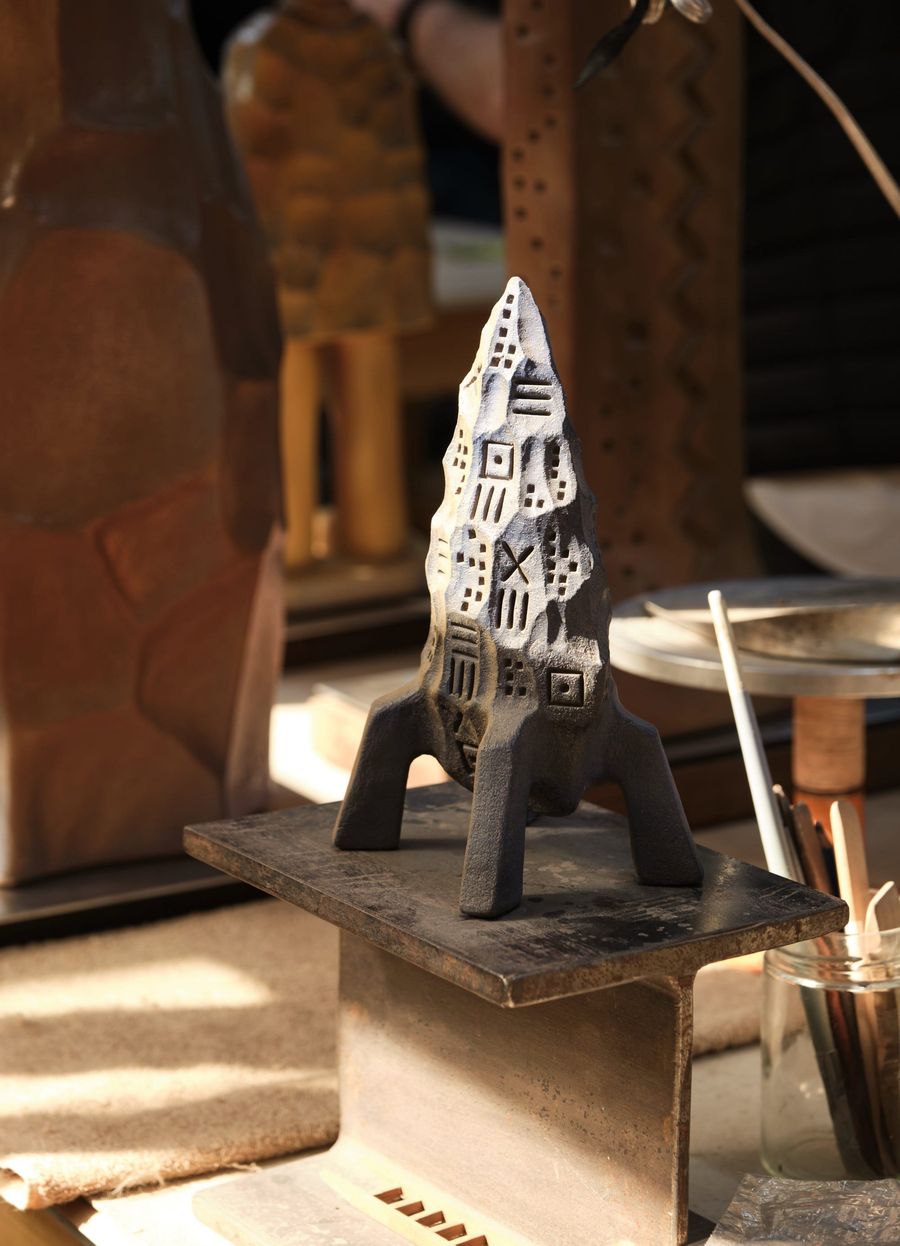
In Urubamba, Pablo Seminario and Marilú Behar study forms and symbols from ancient Peruvian cultures and reinterpret them in ceramic. Visitors can see the gallery and workshop, learn how the pieces are made and, when arranged in advance, work with clay themselves.

After Larco you recognize the symbols, and here you see them made by hand today. This is also where we would look for an object to bring home!

Cerámicas Seminario

Belmond Hiram Bingham

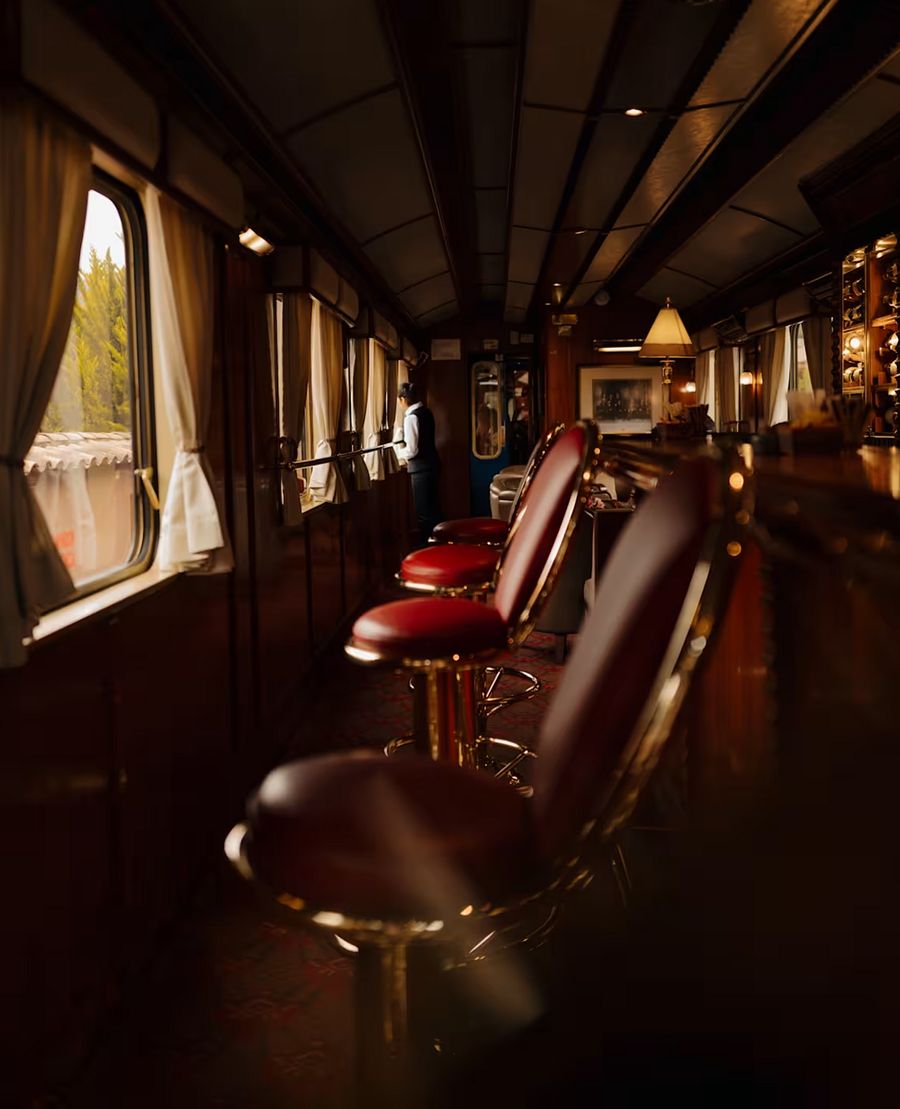
The train travels through the Sacred Valley in 1920s-style Pullman carriages. The 84-seat service features dining cars, an observation carriage and live music, with Peruvian food and wine served on board.

Choose this if you want a more immersive journey to Machu Picchu, with panoramic views of the Andes and exceptional dining along the way. The train arrives at Machu Picchu Pueblo, from where a bus takes you up to the citadel. Please note that a train booking does not necessarily guarantee admission to Machu Picchu. We recommend checking ticket availability in advance, as you may need to arrange your entrance ticket separately.

Belmond Hiram Bingham

Dédalo

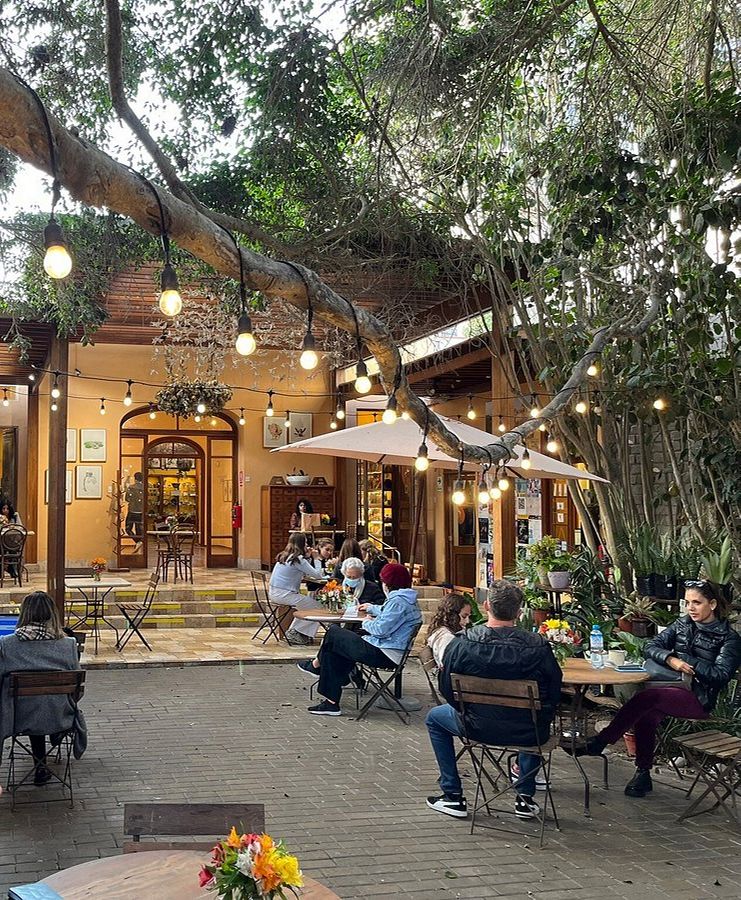
A house in Barranco that brings together Peruvian artists and independent designers: ceramics, jewelry, textiles, prints, furniture and small art objects.

Go here when you want to bring home something made in Peru, not something made for tourists. We recommend dropping by on one of your last days, when you already know what you like.

Dédalo

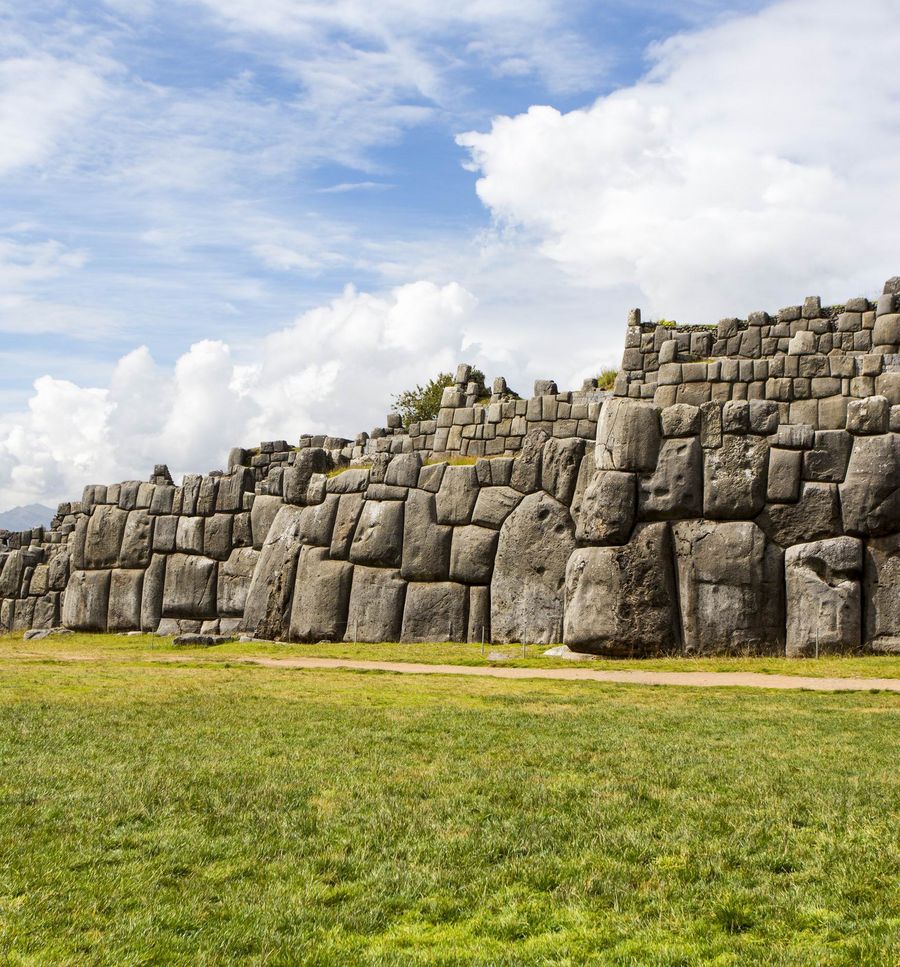
Sacsayhuamán

An Inca complex of massive stone walls on a hill above Cusco, built in the 15th century and once one of the most important sites of the empire.

Of all the places on this list, this is the one where a guide changes the experience most. Understanding how the stones were transported, why the complex was built in this form and how its purpose changed after the Spanish conquest turns an impressive monument into a much deeper insight into Inca civilization.

Sacsayhuamán
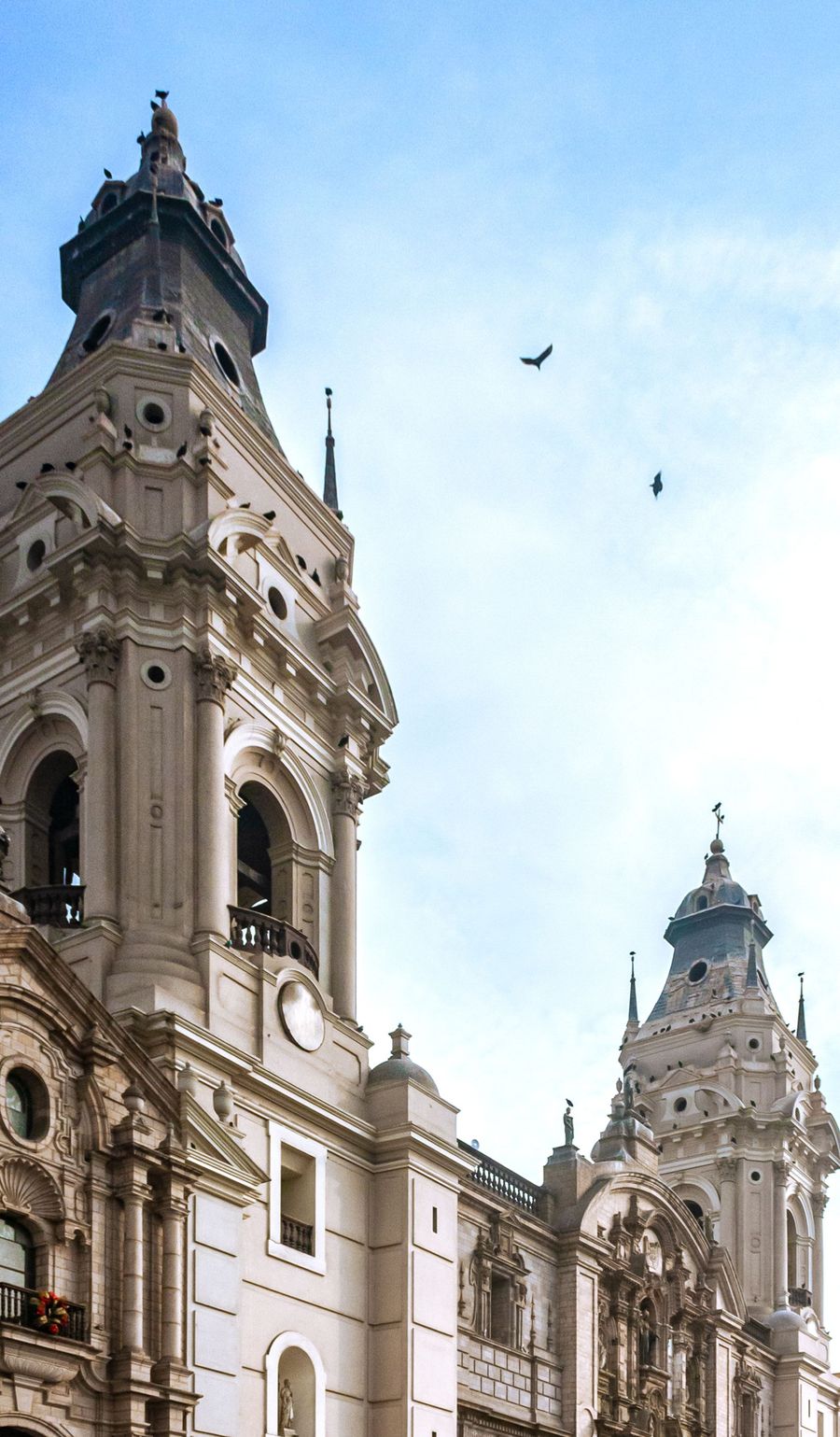
Colonial church towers in Peru

These are ten places.

A route is how they fit together: pace, altitude and the order that makes each one land

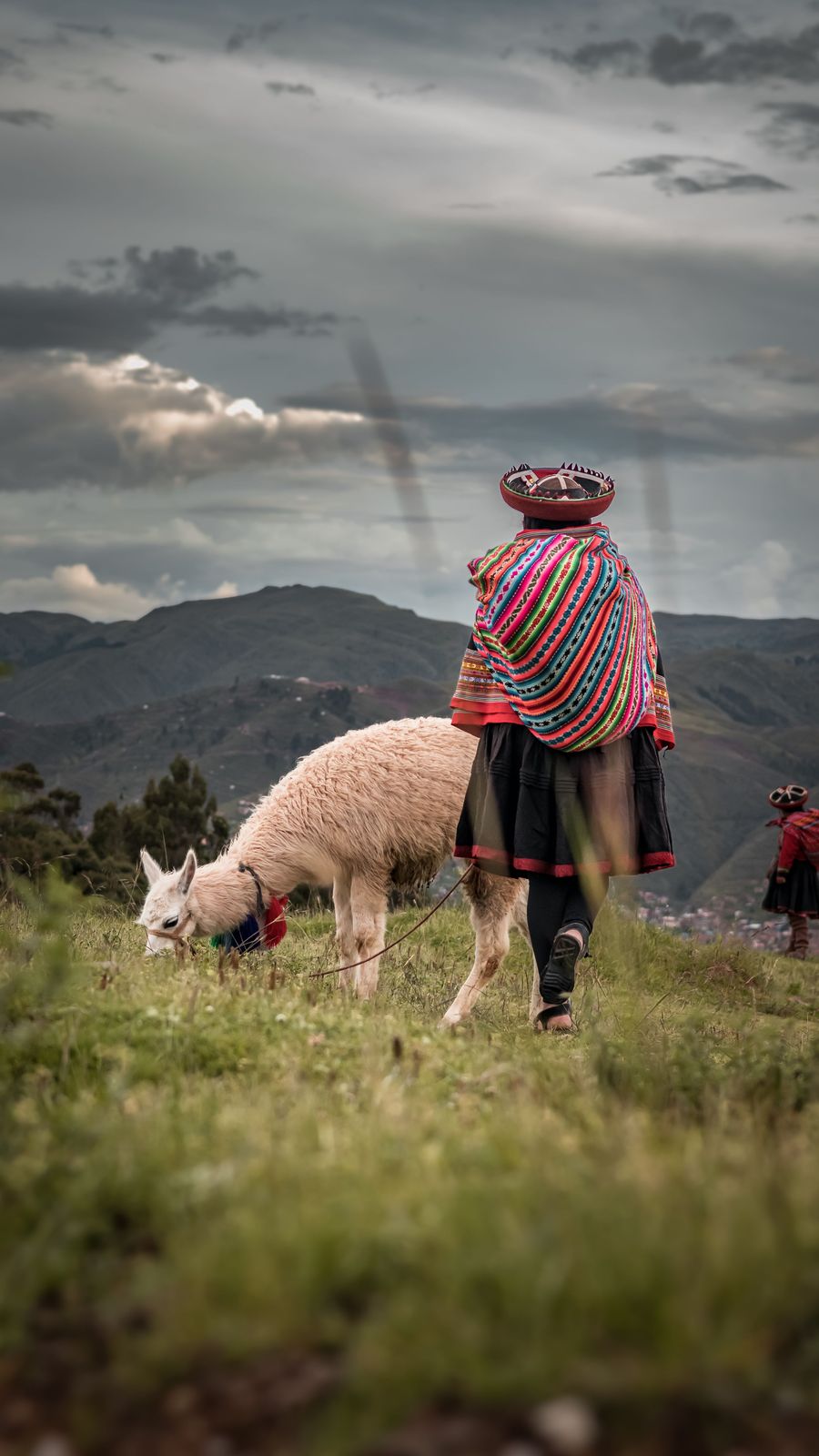
A woman in traditional dress with a llama in the Andes

Five things to order in local restaurants

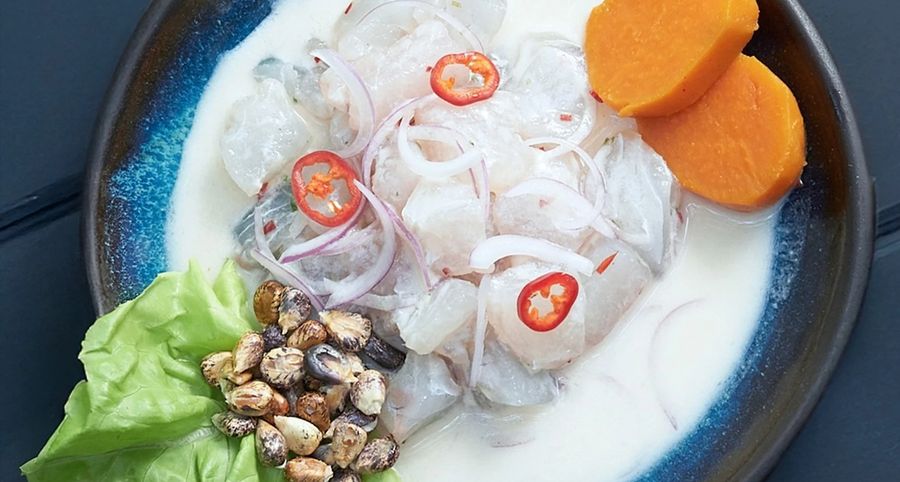
Ceviche

Fresh fish briefly cured in lime juice with red onion, cilantro and chile.

Ceviche is traditionally eaten at lunchtime, when the day’s fish is freshest.

Ceviche
La Mar | Ceviche

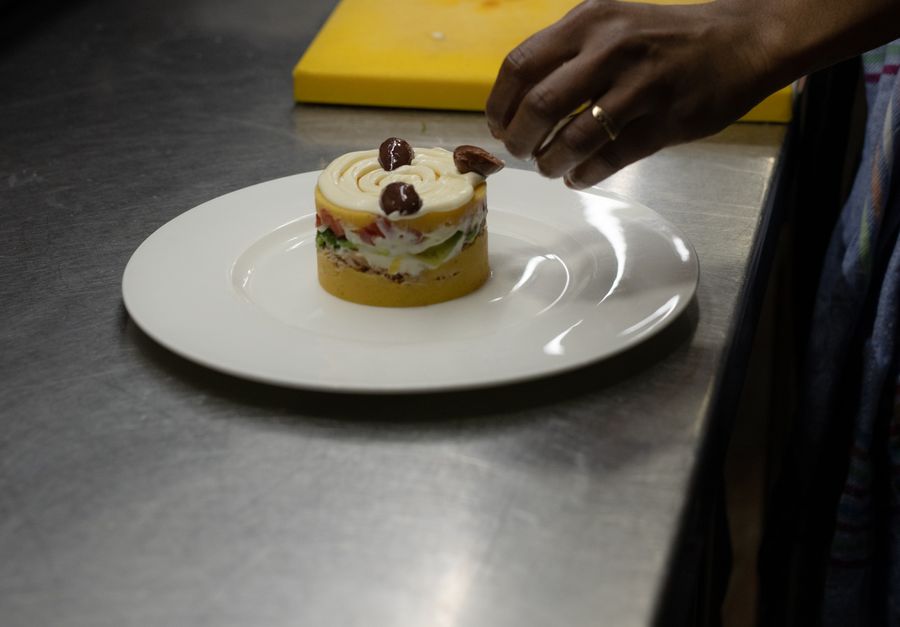
Causa limeña

Seasoned yellow potato layered with avocado, chicken, tuna or seafood.

It looks simple. The balance of potato, lime, chile and filling decides whether it works.

Causa limeña

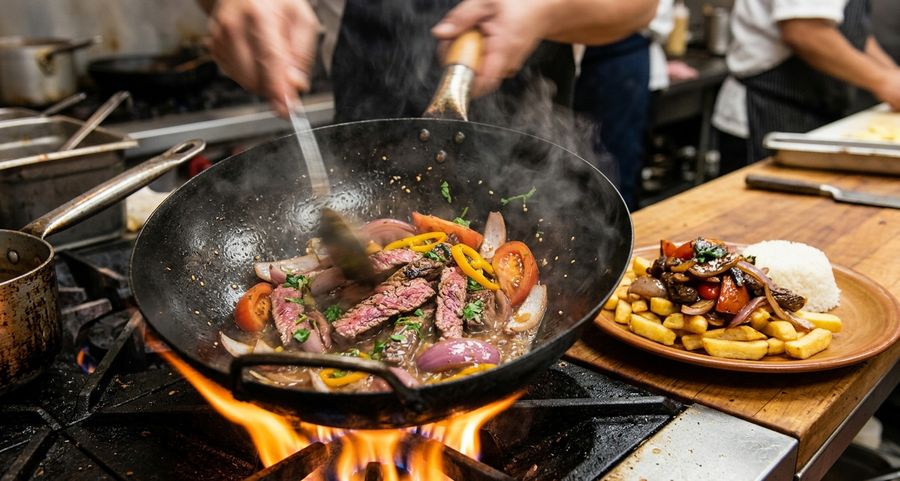
Lomo saltado

Beef stir-fried with tomato, onion and soy sauce, then served with rice and fries.

The dish grew from Peru’s Chinese culinary history and is now found across the country.

Lomo saltado

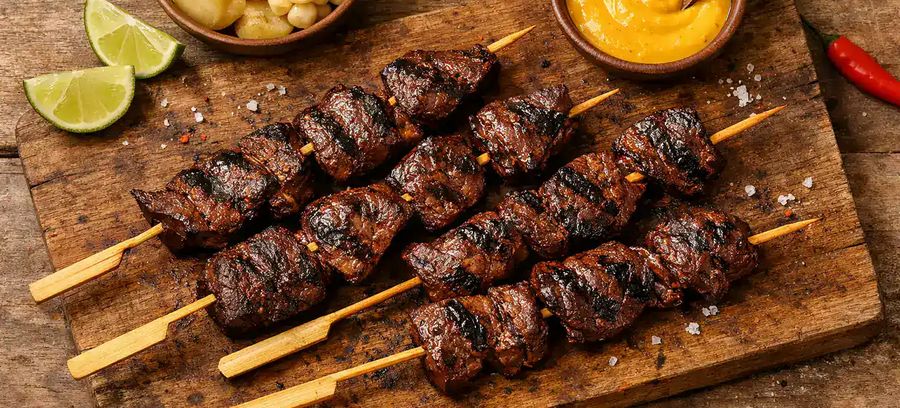
Anticuchos

Skewers traditionally made with marinated beef heart and cooked over charcoal.

They are usually served with potatoes, corn and chile sauce.

Anticuchos

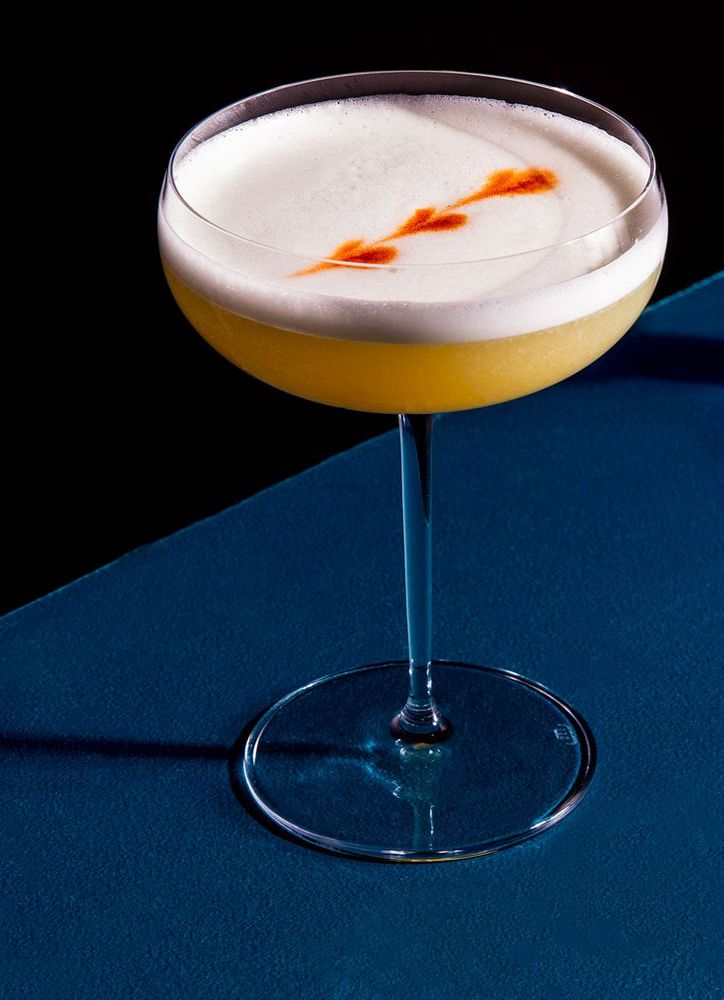
Pisco sour

Pisco, lime juice, sugar syrup, egg white and bitters.

Ask which pisco is being used – the spirit matters more than the decoration on top!

Pisco sour
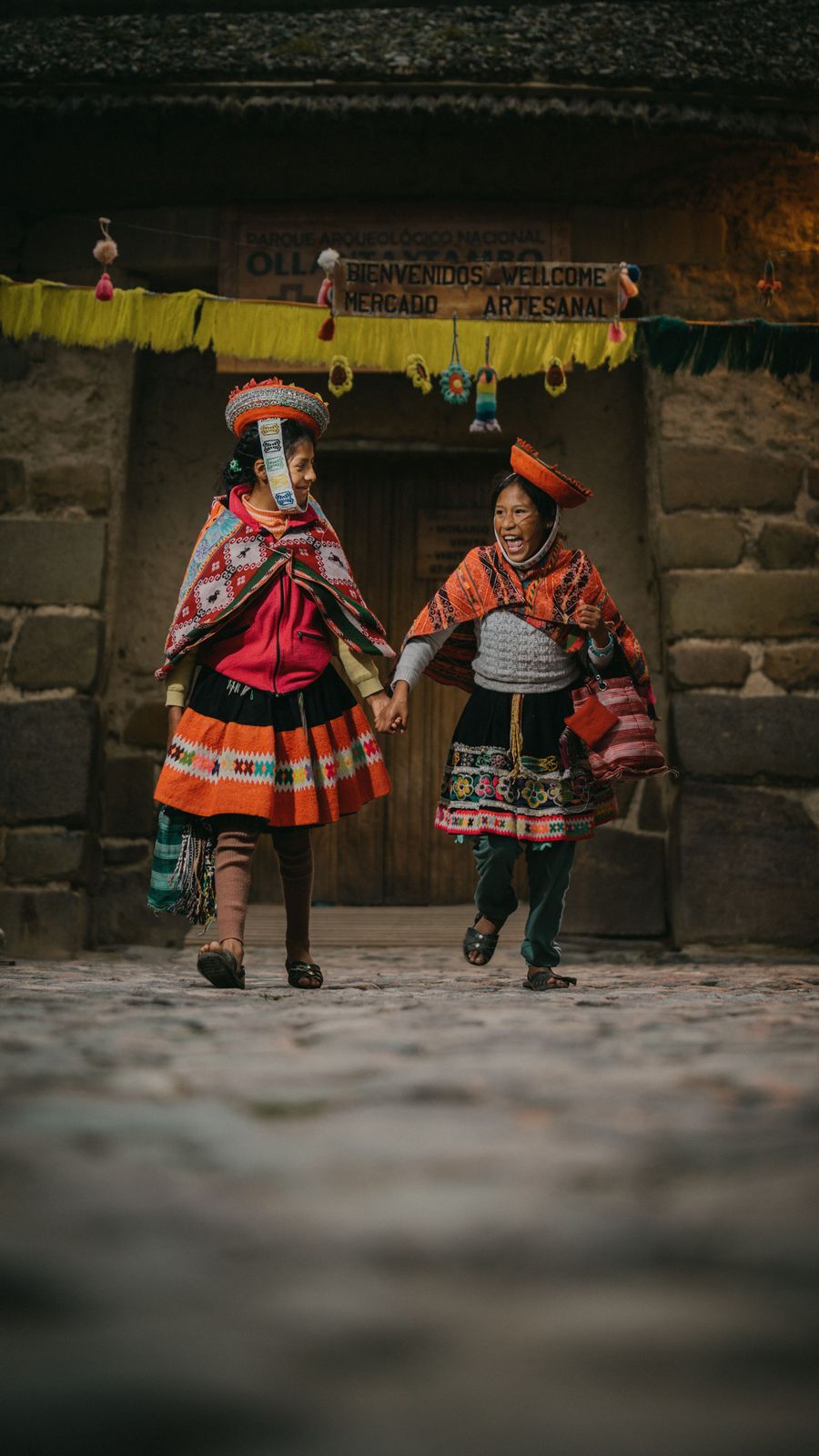
Children in traditional Andean dress

Five Lima tables to book

Maido

Head back to our Maido entry to discover more about this restaurant, named The World’s Best Restaurant 2025. And if you’re planning to visit, be sure to book your table well in advance!

Maido

Central

Virgilio Martínez and Pía León organize the menu through Peru’s ecosystems and altitudes, from the Pacific to the Andes and Amazon.

Central

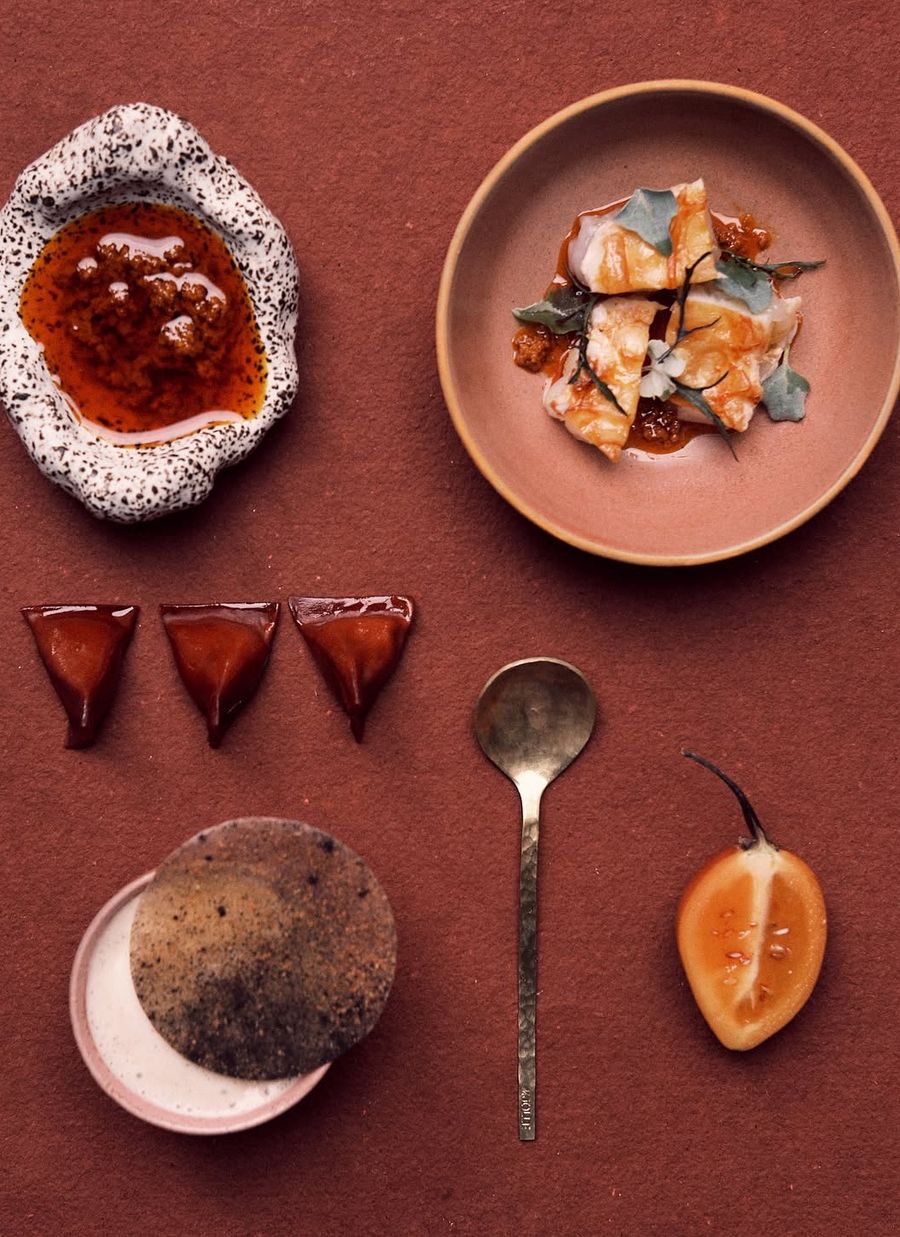
Kjolle

At Kjolle, Pía León works with ingredients from across Peru without organizing the meal strictly by altitude.

Color, texture and the natural form of each ingredient guide the menu. Kjolle ranked No. 7 in The 50 Best Restaurants 2026.

Kjolle

Mérito

Chef Juan Luis Martínez connects the food of Peru with memories and flavors from his native Venezuela.

The restaurant is small, and the kitchen counter is worth requesting. Mérito ranked No. 13 in The 50 Best Restaurants 2026.

Mérito

Mayta

Jaime Pesaque works with Peruvian produce through a tasting menu and à la carte dishes.

The menu draws on ingredients from the coast, Andes and Amazon. Mayta ranked No. 45 in The 50 Best Restaurants 2026.

Mayta
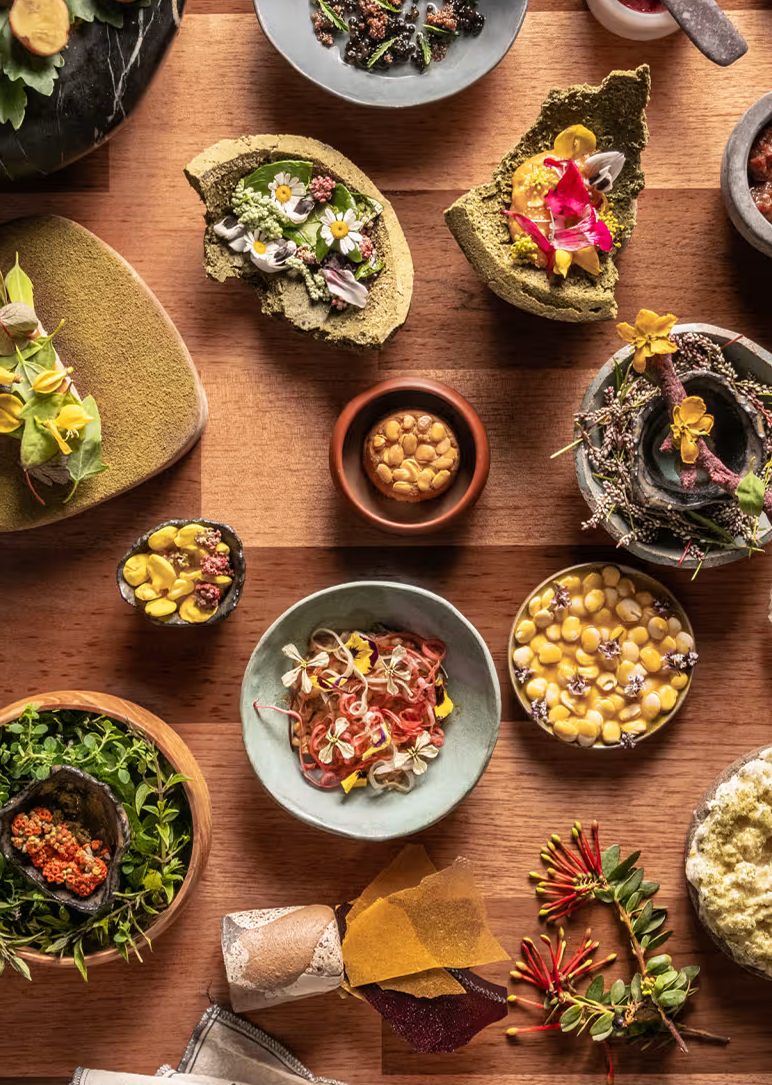
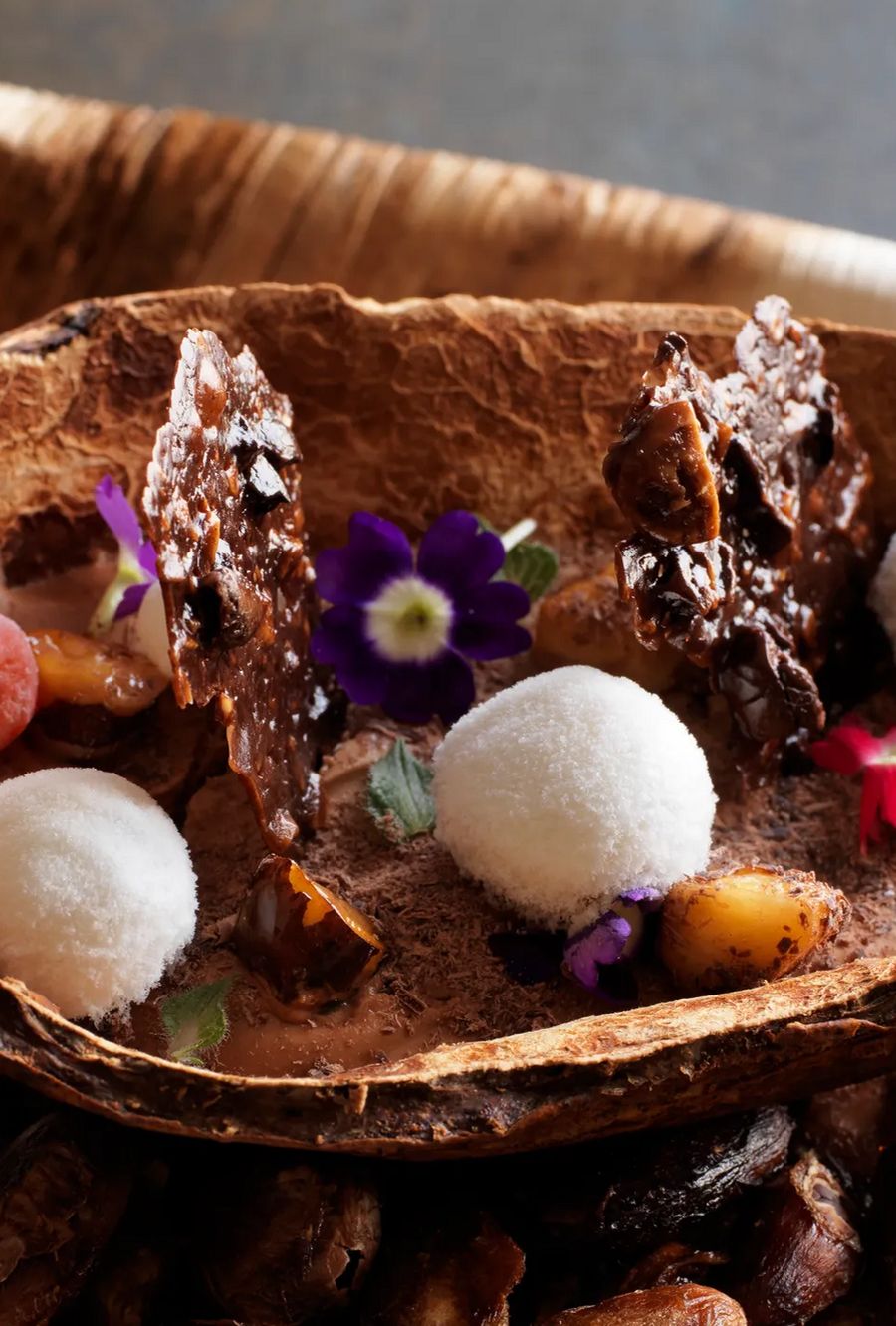
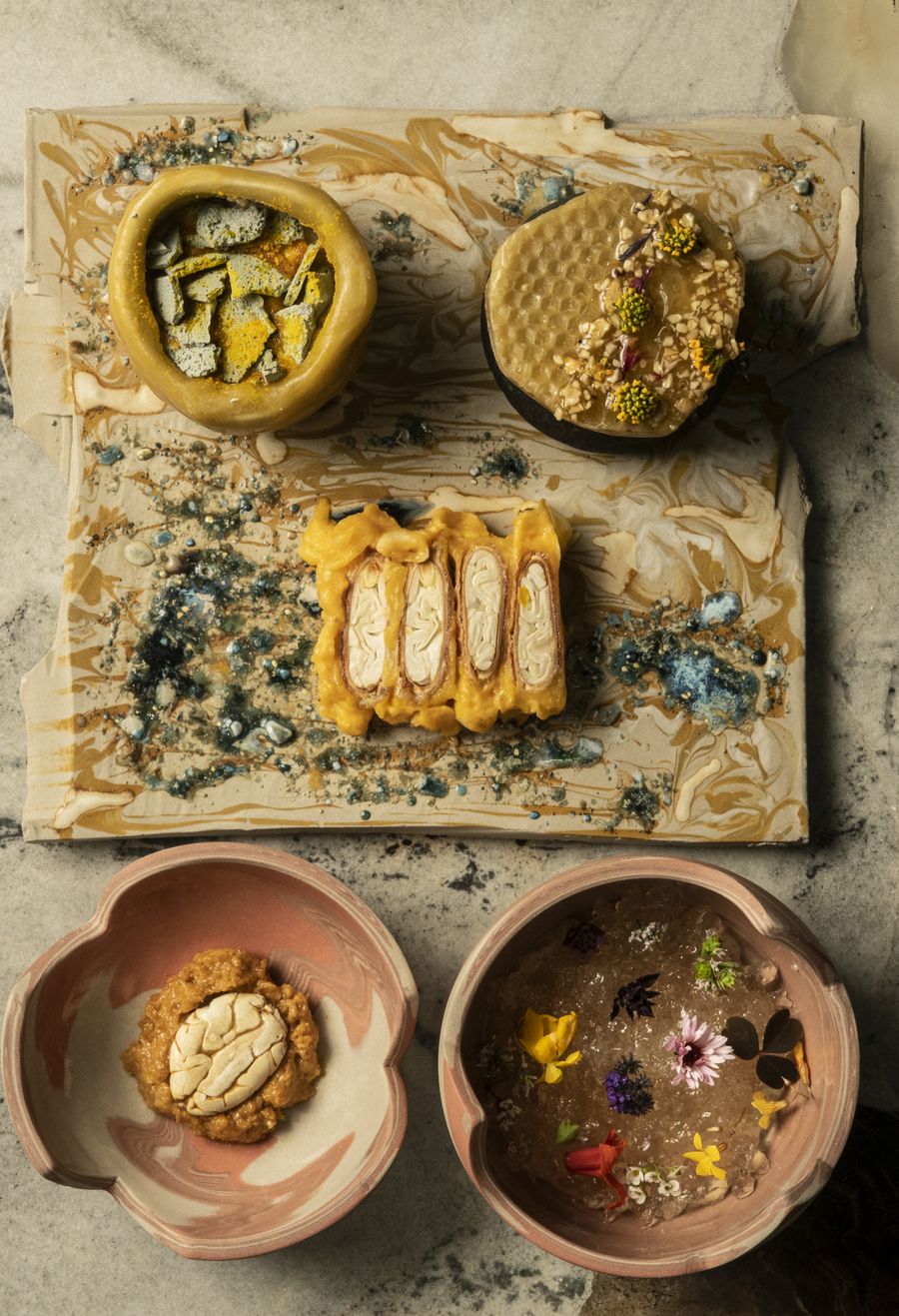
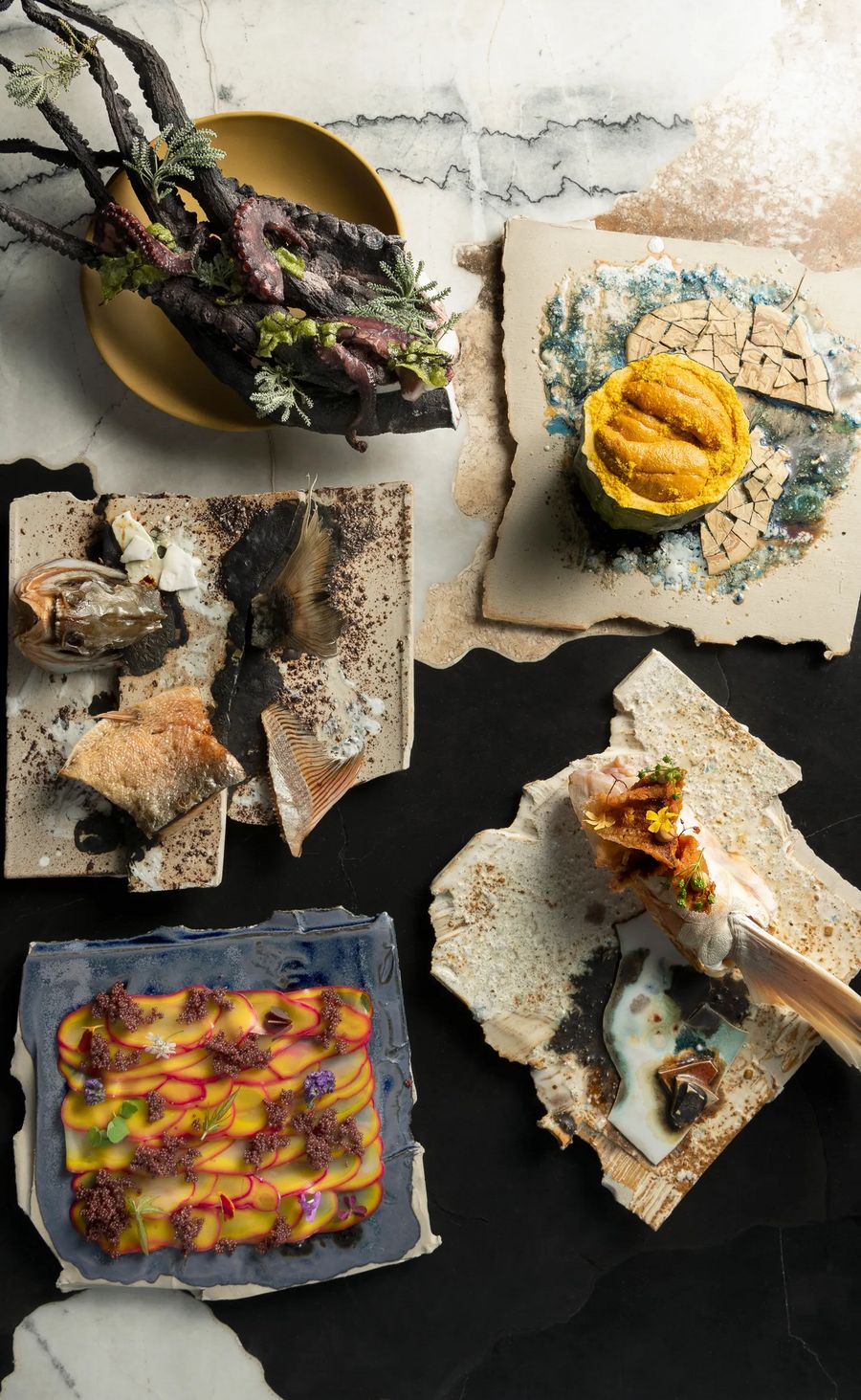
Dishes from a Lima tasting menu

Each of these tables suits a different evening.

Tell us how you like to dine, and we’ll match the table to the trip.

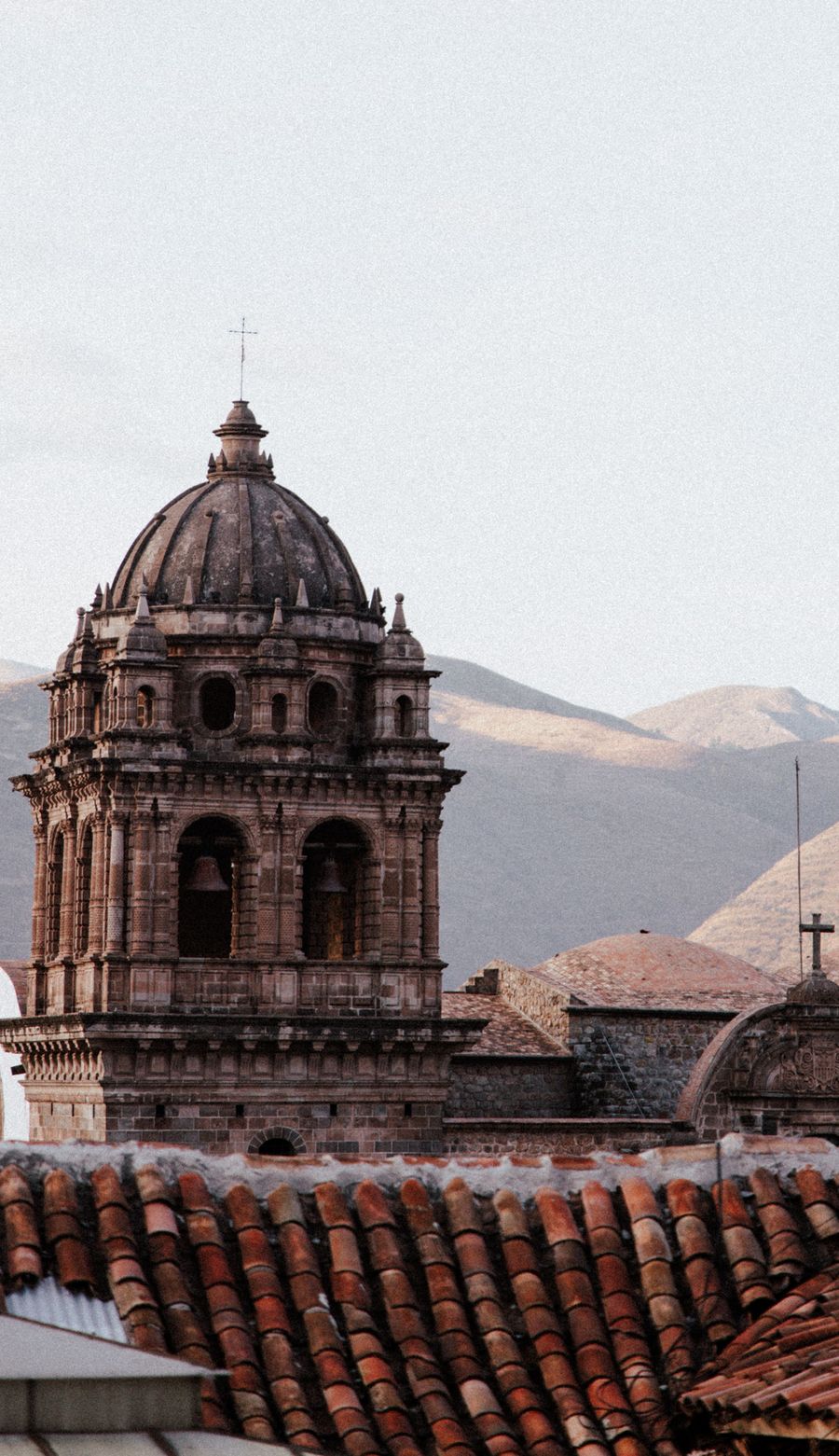
Church dome above the rooftops of Cusco

Before you book

Allow time for the altitude

Cusco sits at approximately 3,400 meters.

Many travelers find it easier to begin in the lower Sacred Valley before continuing to Cusco. Keep the first day light, drink water and allow the body time to adjust.

Anyone with a relevant medical condition should discuss the route with a doctor before traveling.

Book Machu Picchu early

Admission is tied to a specific date, time and circuit. Passport details must match the ticket.

A train reservation does not include entry to the archaeological site. The train, circuit, entry slot and transfers need to work as one plan.

Pack for several climates

Bring layers, comfortable walking shoes, sun protection and a light waterproof jacket.

The temperature can change considerably between Lima, the Sacred Valley, Cusco and Machu Picchu—even within the same week.

Mountains of Peru

See Peru with DaDa Travel

See Peru with DaDa Travel

Tell us your dates, who is traveling and how you prefer to spend a day.

We can arrange:

  • Hotels chosen around the route and altitude
  • Private guides and specialist experts
  • Restaurant reservations
  • Domestic flights and private transfers
  • Rail journeys through the Sacred Valley
  • Machu Picchu admission and the appropriate circuit
  • Meetings with artists and visits to workshops
  • One person to call throughout the journey

We’ll come back with a few questions, then a first idea of your route.